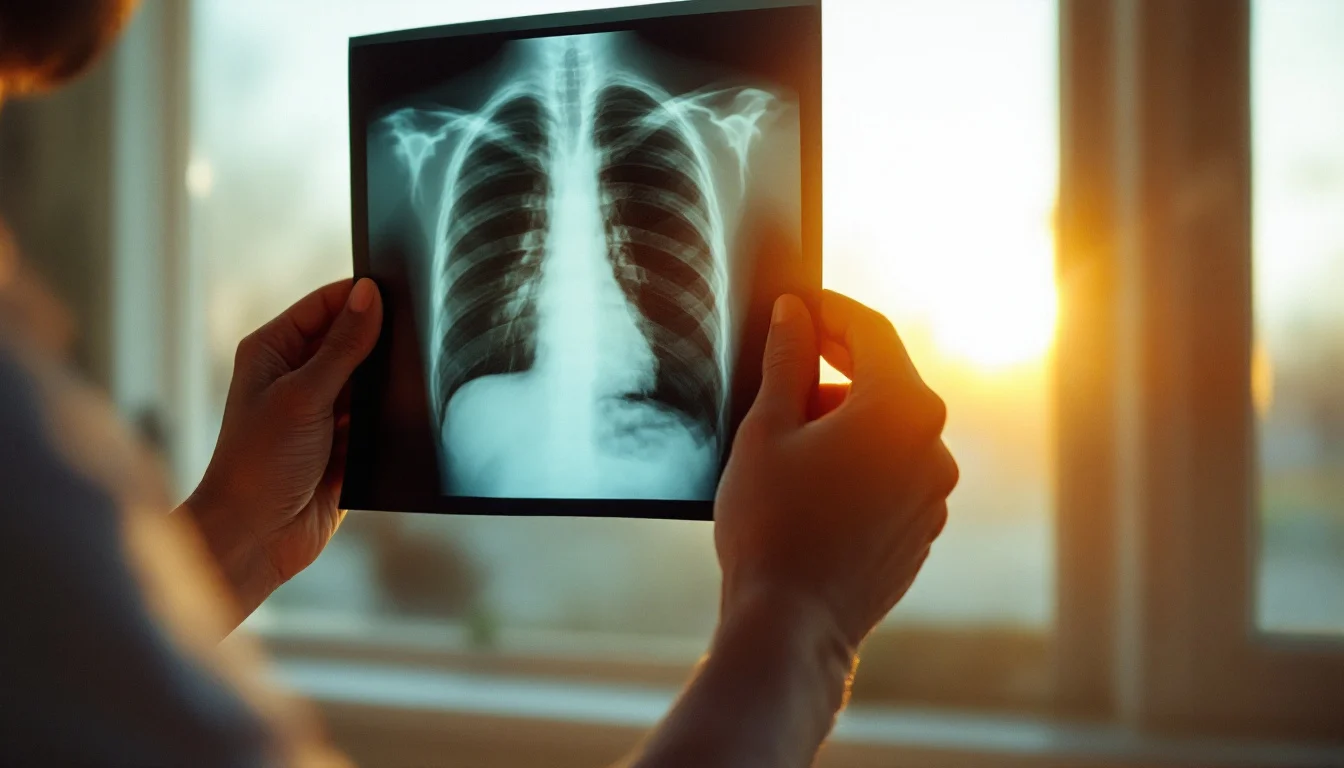
Mesothelioma is a rare cancer that develops in the thin layer of tissue covering internal organs, most often the lungs. It is almost always caused by exposure to asbestos fibers, which can be inhaled or swallowed decades before symptoms appear. Because the disease has a long latency period, symptoms often surface 20 to 50 years after the original exposure. One of the more common and troubling signs is unexplained weight loss.
Why Mesothelioma Causes Unexplained Weight Loss
Unexplained weight loss means losing body weight without trying to diet or increase physical activity. In mesothelioma, this happens for several reasons. The cancer raises the body's metabolic rate, meaning it burns more calories even at rest. Tumors also release substances that suppress appetite and change how the body uses nutrients. In addition, symptoms such as nausea, abdominal pain, or difficulty swallowing can make eating uncomfortable, leading to a reduced food intake.
For pleural mesothelioma, which affects the lining of the lungs, shortness of breath and fatigue can make it harder to prepare and eat meals. For peritoneal mesothelioma, which affects the lining of the abdomen, fluid buildup and bloating can create a feeling of fullness after only a few bites. Over time, these factors combine to cause steady, unintentional weight loss that can become noticeable to the person and to family members.
Other Symptoms Commonly Seen With Weight Loss
Weight loss rarely occurs alone in mesothelioma. People often notice other symptoms at the same time, including:
- Persistent cough or hoarseness
- Shortness of breath or chest pain
- Fatigue and weakness
- Fever or night sweats
- Abdominal swelling or pain
- Loss of appetite
- Difficulty swallowing
These symptoms can also be caused by many less serious conditions, so their presence does not mean a person has mesothelioma. However, anyone with a history of asbestos exposure who notices unexplained weight loss or any of these signs should discuss them with a doctor.
Mesothelioma and Asbestos Exposure in Missouri
Missouri has a long history of asbestos use in industrial settings, including manufacturing plants, power plants, railroads, and construction sites in cities such as St. Louis, Kansas City, and Springfield. Older homes and commercial buildings throughout the state may also contain asbestos in insulation, flooring, and ceiling tiles. People who worked in these environments, or who lived with workers who brought asbestos dust home on clothing, may have been exposed. Because symptoms take decades to appear, former workers and their family members should be aware of the warning signs and mention any past exposure to their health care provider.
When to See a Doctor
Unexplained weight loss of 5 percent or more of body weight within six to twelve months is generally considered significant and worth a medical evaluation. A doctor can order imaging tests, blood work, or other procedures to determine the cause. Early detection of any illness, including mesothelioma, gives more options for care. This article is for general information only and is not medical advice. Anyone with concerns about symptoms or asbestos exposure should consult a qualified health care provider.