Mesothelioma is a rare cancer that forms in the thin layer of tissue lining the lungs, abdomen, heart, or testicles. It is almost always caused by inhaling or ingesting asbestos fibers, often decades before symptoms appear. Because the disease is uncommon and its early signs mimic many everyday illnesses, reaching a correct diagnosis can take time. Understanding how doctors identify mesothelioma can help patients and families in Missouri know what to expect.
Why Mesothelioma Is Hard to Diagnose
The first challenge is the latency period. Mesothelioma typically develops 20 to 50 years after asbestos exposure, so a person may not connect current symptoms to past work in construction, shipyards, auto repair, or older buildings. The second challenge is that early symptoms, such as shortness of breath, chest pain, a persistent cough, fatigue, or abdominal swelling, closely resemble pneumonia, bronchitis, or other common conditions. Many patients are treated for those conditions before mesothelioma is considered.
Imaging Tests
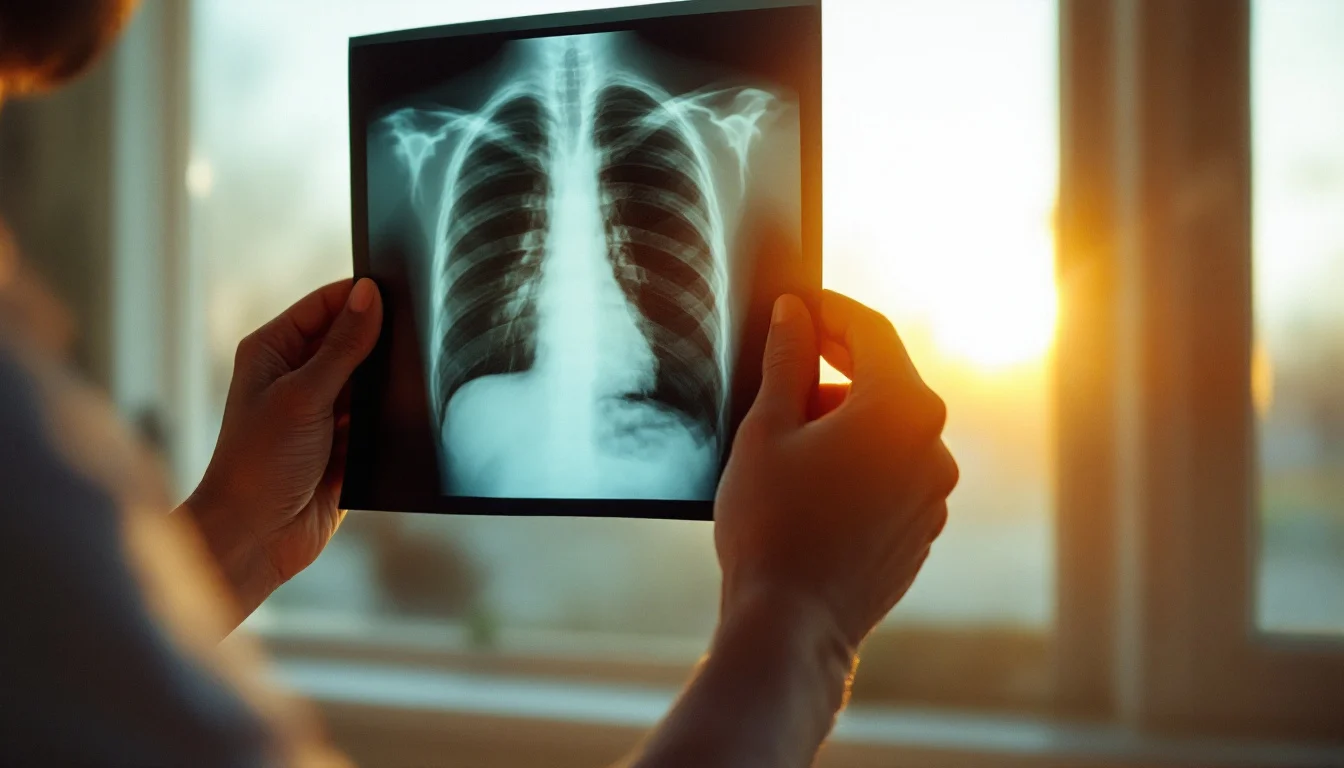
When a doctor suspects mesothelioma, the evaluation usually begins with imaging. A chest X-ray may reveal fluid buildup or thickening of the pleura, the lining around the lungs. A CT scan provides more detailed cross-section images and can show tumor growth, pleural thickening, or fluid collections. An MRI may be used to see whether the cancer has spread into nearby tissues, and a PET scan can help identify areas of active disease and guide staging. These scans are helpful, but they cannot confirm a mesothelioma diagnosis on their own.
Biopsy: The Definitive Test
A biopsy is the only way to confirm mesothelioma. During a biopsy, a doctor removes a small sample of tissue or fluid, which a pathologist examines under a microscope. Common methods include thoracentesis, which draws fluid from the chest; thoracoscopy or laparoscopy, which uses a small camera to view and sample tissue; and needle biopsy guided by imaging. In some cases, a surgeon performs an open biopsy. The pathologist looks for specific cell patterns and uses special stains to distinguish mesothelioma from other cancers, such as lung cancer or metastatic disease.
Staging and Pathology
Once mesothelioma is confirmed, doctors determine the stage, which describes how far the cancer has spread. Staging typically involves additional imaging and, sometimes, surgical evaluation. The cell type, whether epithelioid, sarcomatoid, or biphasic, also matters because it can influence treatment planning. Patients may need to repeat a biopsy or seek a second opinion if the first results are unclear, since mesothelioma is one of the more difficult cancers to diagnose accurately.
Getting a Diagnosis in Missouri
Missouri residents have access to several major medical centers with experience in diagnosing and treating mesothelioma. In St. Louis, Siteman Cancer Center at Barnes-Jewish Hospital and Washington University School of Medicine offer specialized thoracic oncology programs. The University of Missouri Health Care in Columbia and Saint Luke's Health System in Kansas City also provide multidisciplinary cancer care. Patients are often advised to seek evaluation at a center that sees a higher volume of mesothelioma cases, because experience improves diagnostic accuracy and treatment options.
Anyone in Missouri who has a history of asbestos exposure and persistent respiratory or abdominal symptoms should discuss that history with their doctor. Early and accurate diagnosis is the foundation for making informed decisions about care. While a mesothelioma diagnosis is serious, knowing the facts about how it is detected can help patients and families navigate the next steps with greater clarity.